Cypress Creek Preserve
Why Visit Cypress Creek Preserve?
Want to see how the Katy Prairie Preserve reduces downstream flooding for millions of Houstonians? Start here.
Cypress Creek Preserve is a 323-acre guided-access preserve at the headwaters of the Cypress Creek watershed, where native prairie, wetlands and riparian forests naturally capture, store and slowly release stormwater. These healthy landscapes help reduce downstream flooding, improve water quality and provide critical wildlife habitat.
-
Help us protect wildlife and sensitive habitats by following preserve guidelines:
Access is by guided tour, volunteer event, or special program only.
Stay with your guide and remain in designated areas.
Leave no trace. Pack out all trash.
Do not feed or disturb wildlife.
Dogs and pets that are not service animals are prohibited.
Smoking, alcohol, firearms, and loud music are prohibited.
Closed-toe shoes, drinking water, and weather-appropriate clothing are recommended.
Fishing and hunting are not allowed without permission by CPC.
Minors under 18 must be accompanied by an adult.
Visitor Information
Hours
Guided Access Only
Experience Cypress Creek Preserve through:
Guided tours
Volunteer workdays
Educational programs
Research activities
Location
GPS Coordinates
(29°55’15.9”N 95°50’24.8”W)
Visitor Notes
Guided access only.
Parking information is provided upon registration.
No public restrooms available.
Terrain may be uneven or muddy depending on weather conditions.
Closed-toe shoes, drinking water, and weather-appropriate clothing are recommended.
Preserve Highlights
Discover how healthy prairies, wetlands and forests protect both people and wildlife.
Explore Key Features
-
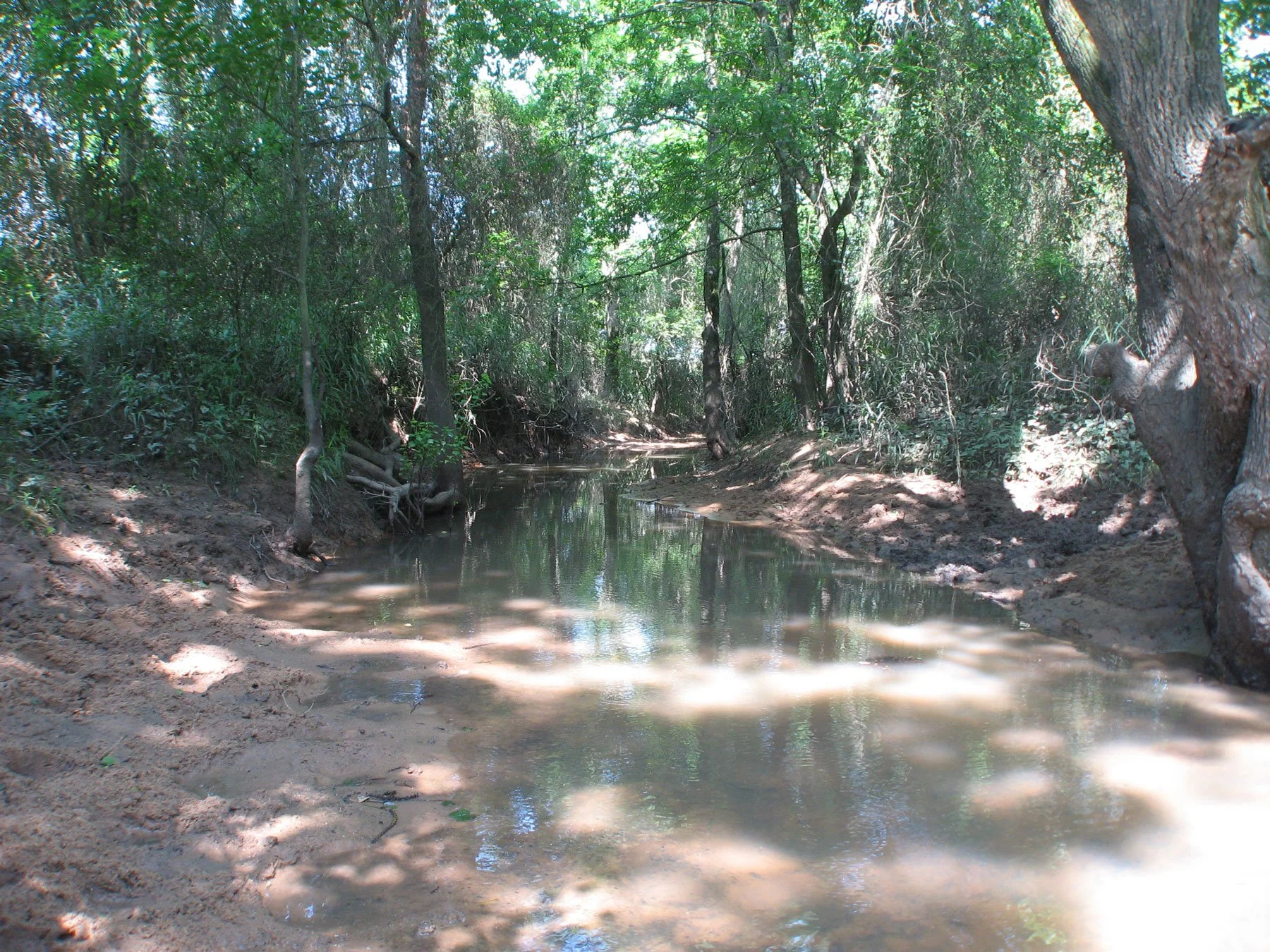
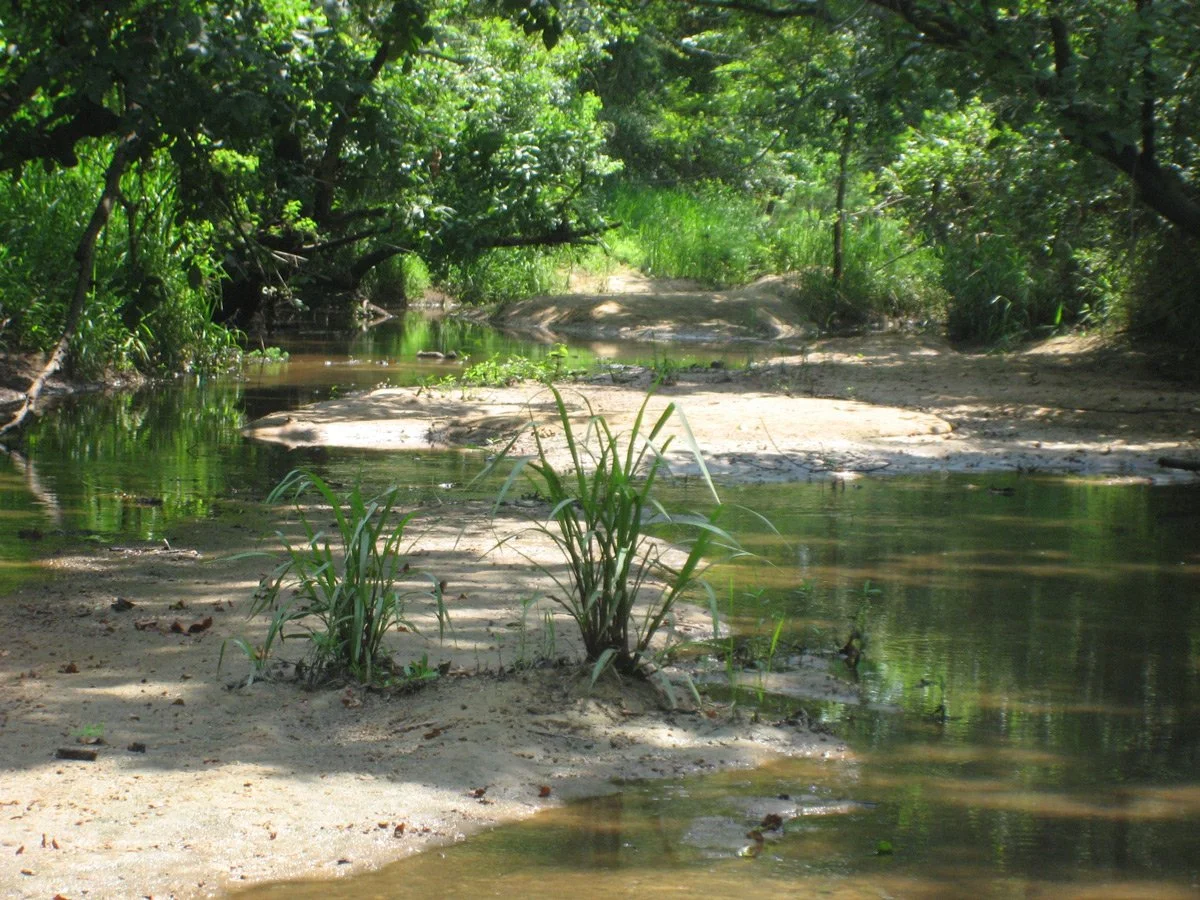
The preserve protects an important stretch of the Cypress Creek riparian corridor. These streamside forests stabilize banks, reduce erosion, improve water quality and provide essential habitat for birds, mammals, reptiles, amphibians and other wildlife. Together with surrounding wetlands and prairie, the riparian corridor forms one of the watershed's most important natural infrastructure systems.
-
Neighboring mitigation banks, developed in partnership with the Harris County Flood Control District, are restoring former agricultural fields into functioning prairie wetlands. By rebuilding natural hydrology and reestablishing native vegetation, these projects aim to capture additional stormwater and provide long-term resilience for downstream communities.
-
Like many properties across the Katy Prairie, Cypress Creek Preserve remains an active working landscape. Managed cattle grazing helps maintain healthy prairie vegetation, improve habitat diversity, and preserve the agricultural heritage that has shaped this landscape for generations.
The Story of Cypress Creek Preserve
Cypress Creek Preserve exemplifies the Katy Prairie Preserve's role as a landscape-scale natural infrastructure system that helps protect the Greater Houston region from flooding.
The Katy Prairie Preserve contains the headwaters of the Cypress Creek watershed, the fifth-largest watershed in the Greater Houston region. Here, native prairies, wetlands, and riparian corridors work together to capture, store, filter, and slowly release stormwater before it reaches downstream communities. Rather than allowing rainfall to quickly run off the landscape, these healthy ecosystems function like giant natural sponges, reducing flood risk while improving water quality and supporting wildlife.
The rainfall that begins on the Katy Prairie flows into Cypress Creek, then the West Fork of the San Jacinto River, and ultimately Lake Houston, the primary drinking water source for much of metropolitan Houston. During major storm events, overflow from the Cypress Creek watershed also contributes to the neighboring Addicks watershed. As the Katy Prairie Preserve continues to grow through land conservation and restoration, it strengthens these natural processes, creating lasting benefits for surrounding and downstream communities.
Since permanently protecting the property in 2002, the Coastal Prairie Conservancy has restored wetlands, enhanced native prairie and partnered with the Harris County Flood Control District to expand wetland restoration across the surrounding landscape.
Today, the preserve also serves as a hub for community science, with BioBlitzes and aquatic invertebrate surveys funded by the Galveston Bay Estuary Program helping volunteers document biodiversity and better understand the health of the Cypress Creek watershed. Together with ongoing habitat restoration and stewardship, these efforts strengthen the natural infrastructure that benefits both wildlife and downstream communities.
Help Us Steward the Prairie
Most opportunities to experience Cypress Creek Preserve are through volunteer workdays, guided stewardship events, and community science projects throughout the year.
Frequently Asked Questions
-
No. Cypress Creek Preserve is a guided-access preserve and can be visited during scheduled tours, volunteer workdays, educational programs, research activities, and special events.
-
Natural infrastructure refers to healthy ecosystems that provide essential services for people. At Cypress Creek Preserve, native prairies, wetlands, and riparian corridors naturally capture, store, filter, and slowly release stormwater while improving water quality, reducing flood risk, supporting wildlife, and replenishing groundwater.
-
Mitigation banks restore or enhance wetlands to compensate for unavoidable impacts elsewhere. Adjacent to Cypress Creek Preserve, mitigation projects completed in partnership with the Harris County Flood Control District restore prairie wetlands while increasing stormwater storage, improving water quality, reversing wetland degradation, and expanding wildlife habitat.
-
Depending on the season, visitors may encounter migratory birds, ducks, wading birds, raptors, pollinators, amphibians, reptiles, mammals, and a wide variety of native prairie and wetland plants.
-
Managed grazing is an important conservation tool that helps maintain healthy prairie vegetation, improve habitat diversity, reduce invasive species, and preserve the working lands heritage of the Katy Prairie.