Matt Cooke Memorial Wildlife Viewing Platform
Why Visit Matt Cooke Memorial Wildlife Viewing Platform?
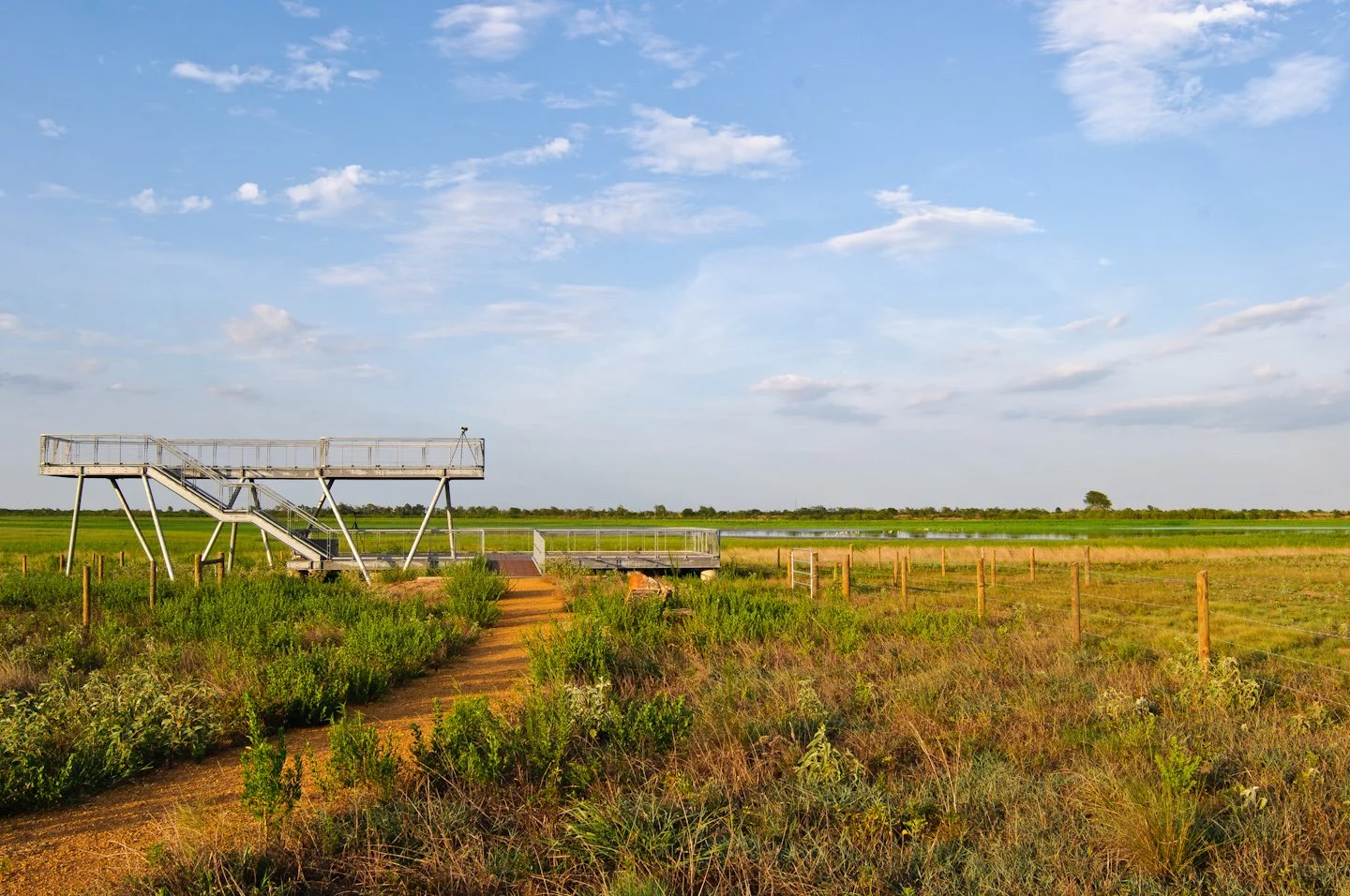
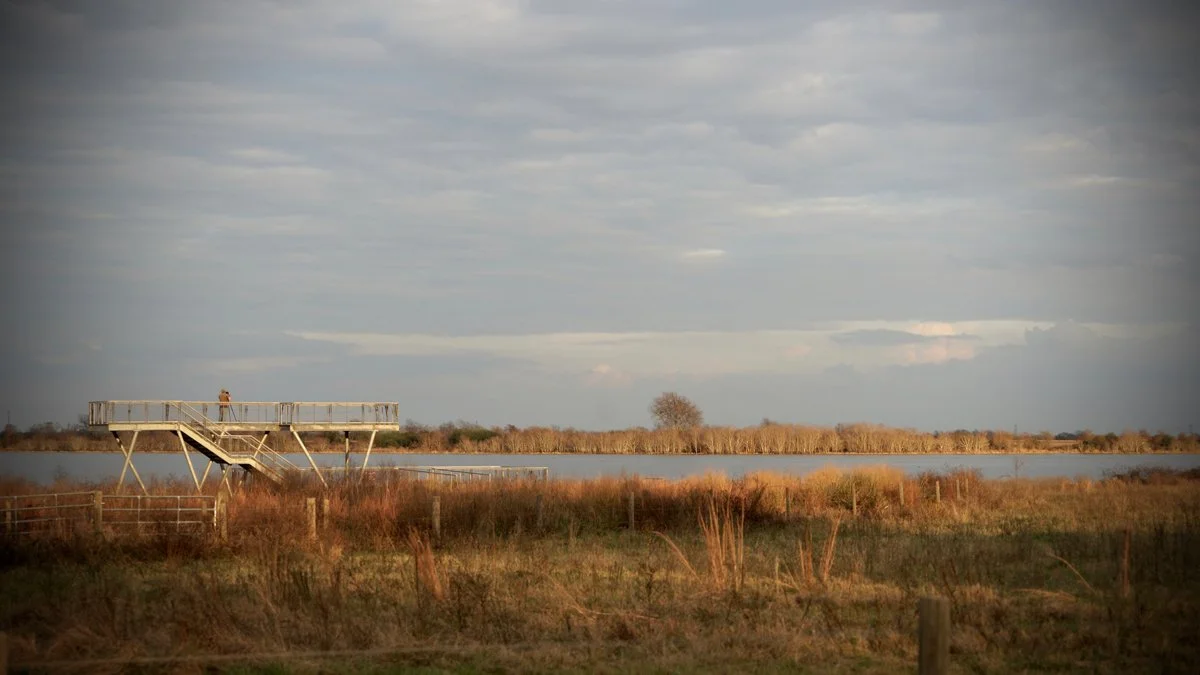
A 0.2 mile short walk through Shrike Prairie leads to the Matt Cook Memorial Wildlife Viewing Platform, a two-story, ADA-accessible observation tower overlooking the Coastal Prairie Conservancy's 140-acre Warren Lake. The lake provides year-round habitat for waterfowl, wading birds, raptors, amphibians, reptiles, pollinators, and countless other wildlife species, making it one of the premier wildlife viewing destinations on the Katy Prairie.
-
Help us protect wildlife and sensitive habitats by following preserve guidelines:
Stay on designated trails to protect the ecosystem.
Pedestrian use only: no bicycles, motorized vehicles, or horses.
Leave no trace: pack out any trash.
Do not feed or disturb wildlife.
Dogs and pets that aren’t service animals are strictly prohibited.
Smoking, alcohol, firearms, and loud music are prohibited.
Swimming is not allowed.
Fishing and hunting are not allowed without permission by CPC.
Minors under 18 must be accompanied by an adult.
Visitor Information
Hours
Public Access Hours
Open Daily
7:00 AM to Dusk
365 Days Per Year
Seasonal Gate Hours
March–September: 7:00 AM – 8:00 PM
October–February: 7:00 AM – 6:00 PM
Location
Address
15010 Warren Ranch Road
Hockley, TX 77447
Visitor Notes
Parking lot on site.
No public restrooms available.
ADA-accessible trail and viewing platform.
Please allow enough time to return to your vehicle before the entrance gate closes.
Explore the Preserve
Explore Key Features
-
A two-story, ADA-accessible observation platform offering panoramic views of Warren Lake and the surrounding prairie.
-
This wetland provides important habitat for migratory birds, waterfowl, wading birds, raptors, amphibians, reptiles, and countless other species throughout the year.
-
The trail to the platform passes through Shrike Prairie, a restored native prairie that is currently undergoing habitat enhancements to support pollinators and other wildlife.
The Story of the Matt Cook Memorial Wildlife Viewing Platform
The Matt Cook Memorial Wildlife Viewing Platform honors the memory of Matt Cook, a wildlife and fisheries graduate student who loved the outdoors and spent countless hours studying and enjoying the wildlife of the Katy Prairie.
Today, the platform continues that legacy by providing visitors of all ages and abilities with an opportunity to experience one of the Katy Prairie's most important wetland habitats. From the observation deck, visitors can watch migrating birds, photograph wildlife, and enjoy sweeping views of Warren Lake and the surrounding prairie.
In front of the viewing platform, Shrike Prairie is full of native prairie plants and pollinator habitat, creating a showcase prairie landscape.
Help Us Understand the Prairie
Every wildlife observation helps us better understand and protect the Katy Prairie.
Visitors are encouraged to submit sightings through eBird and iNaturalist. These observations support research, habitat management, and long-term conservation across the preserve.
Frequently Asked Questions
-
The trail is approximately 0.2 miles and is an easy walk from the parking area to the viewing platform.
-
Yes. The trail and viewing platform are ADA accessible.
-
Yes. Parking is available at the preserve.
-
No. Public restrooms are not available at this location.
-
We recommend water, closed-toe shoes, binoculars, insect repellent, and a camera.
-
Absolutely. We encourage visitors to submit observations through iNaturalist to help support conservation and research efforts.