Williams Prairie
Why Visit Williams Prairie?
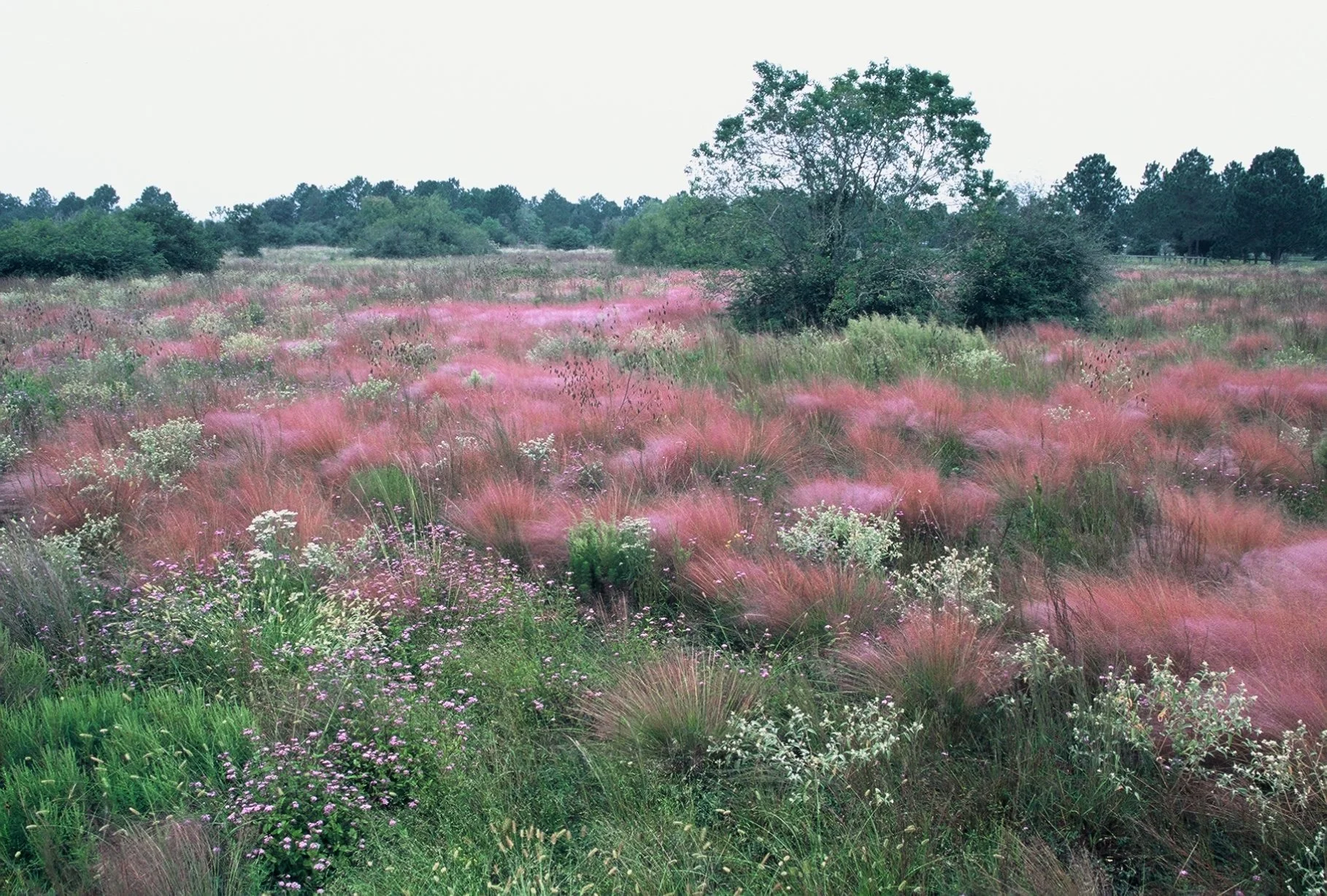
Williams Prairie is an 11-acre remnant prairie, making it one of the most ecologically significant properties protected by the Coastal Prairie Conservancy. Despite its small size, the preserve supports an extraordinary diversity of native prairie plants, seasonal wetlands, pollinators, birds, and other wildlife.
-
Help us protect wildlife and sensitive habitats by following preserve guidelines:
Stay on designated trails and boardwalks to protect sensitive prairie plants and wetlands.
Pedestrian use only. Bicycles, dirt bikes, ATVs, and other motorized vehicles are prohibited.
Leave no trace. Pack out all trash.
Do not feed or disturb wildlife.
Dogs and pets that aren't service animals are prohibited.
Smoking, alcohol, firearms, and loud music are prohibited.
Fishing and hunting are not allowed without permission from the Coastal Prairie Conservancy.
Minors under 18 must be accompanied by an adult.
Visitor Information
Hours
Public Access Hours
Open Daily
Dawn to Dusk
365 Days Per Year
Location
Address
32510 Hepplewhite Drive
Brookshire, TX 77423
Visitor Notes
No public restrooms available.
On-street parallel parking only. Please be respectful of neighborhood streets and driveways and avoid parking next to neighbors’ properties.
ADA-accessible trail and wetland boardwalk.
Explore the Preserve
A looping trail winds through Williams Prairie, offering opportunities to experience seasonal wildflowers, wetlands, native grasses, and wildlife in an accessible setting.
Explore Key Features
-
A permeable ADA-accessible walking path planted with native frog fruit provides an accessible way to experience the prairie while blending naturally into the landscape.
-
Cross seasonal depressional wetlands while observing native plants and wildlife from an elevated boardwalk.
-
Explore a landscape of native prairie grasses, seasonal wildflowers, depressional wetlands, and scattered trees.
The Story of Williams Prairie
Williams Prairie offers a glimpse of what much of Southeast Texas once looked like.
Because this 11-acre prairie has never been plowed or developed, it preserves an exceptional diversity of native plants and wildlife that has largely disappeared across the region. Today, it serves as an important refuge for pollinators, birds, amphibians, reptiles, and countless other species.
In 1997, Williams Prairie became the Coastal Prairie Conservancy's first conservation easement, marking the beginning of the organization's land conservation efforts. The property was later generously donated by the Williams family, ensuring its permanent protection for future generations.
Today, Williams Prairie sits between the rapidly growing communities of Brookshire and Fulshear, surrounded by the Pecan Hill subdivision. Dedicated neighbors generously volunteer alongside the Coastal Prairie Conservancy to help care for this remarkable preserve, demonstrating how local communities can play an important role in conserving one of North America's most endangered ecosystems.
Help Us Understand the Prairie
Every wildlife observation helps us better understand and protect the Katy Prairie.
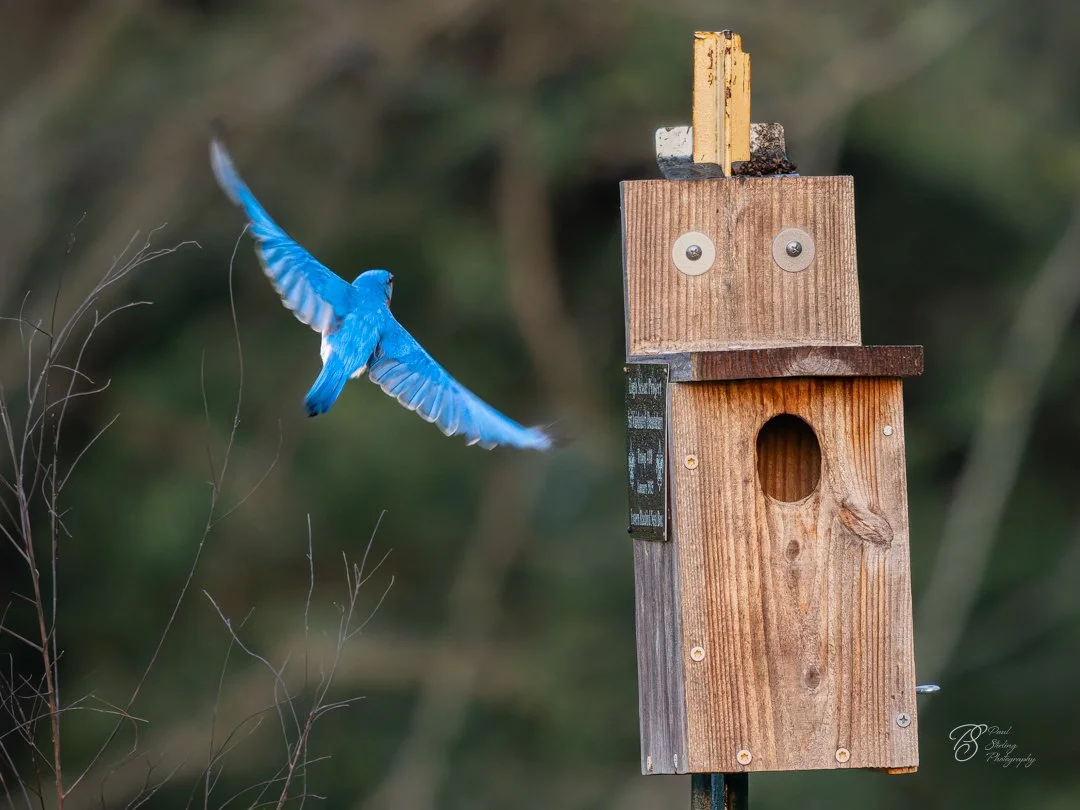
Visitors are encouraged to submit sightings through eBird and iNaturalist. These observations support research, habitat management, and long-term conservation across the preserve.
Frequently Asked Questions
-
Williams Prairie features a 0.5-mile walking trail through native prairie and wetlands that can easily be explored in one visit.
-
Volunteers are invited to join our seed collecting program, where we collect from remnant prairies, including Williams Prairie .
-
A portion of the trail is shaded, but much of it is directly exposed to the sun. We encourage visitors to plan accordingly.
-
Yes. The preserve includes a permeable ADA-accessible walking trail and wetland boardwalk, making much of the preserve accessible to visitors of varying abilities.
-
No. Public restrooms are not available at Williams Prairie.
-
Depending on the season, visitors may encounter native prairie wildflowers, butterflies and other pollinators, songbirds, raptors, amphibians, reptiles, and a wide variety of prairie plants.
-
Spring offers spectacular displays of native wildflowers, while every season provides opportunities to experience the prairie's changing wildlife and vegetation.
-
We recommend water, closed-toe shoes, binoculars, insect repellent, and a camera.
-
Absolutely. We encourage visitors to submit observations through iNaturalist to help support conservation and research efforts.